

Like most medical professions, a veterinarian’s salary can vary depending on a variety of factors, such as geography, field of expertise, and their employer. However, veterinarians earn $130,000 annually, according to 2025 data from the US Bureau of Labor Statistics (BLS).
Keep reading to learn about how much veterinarians make and how where they work, their experience, and their specialty play into their annual salary.
What Is the Average Veterinarian Salary?
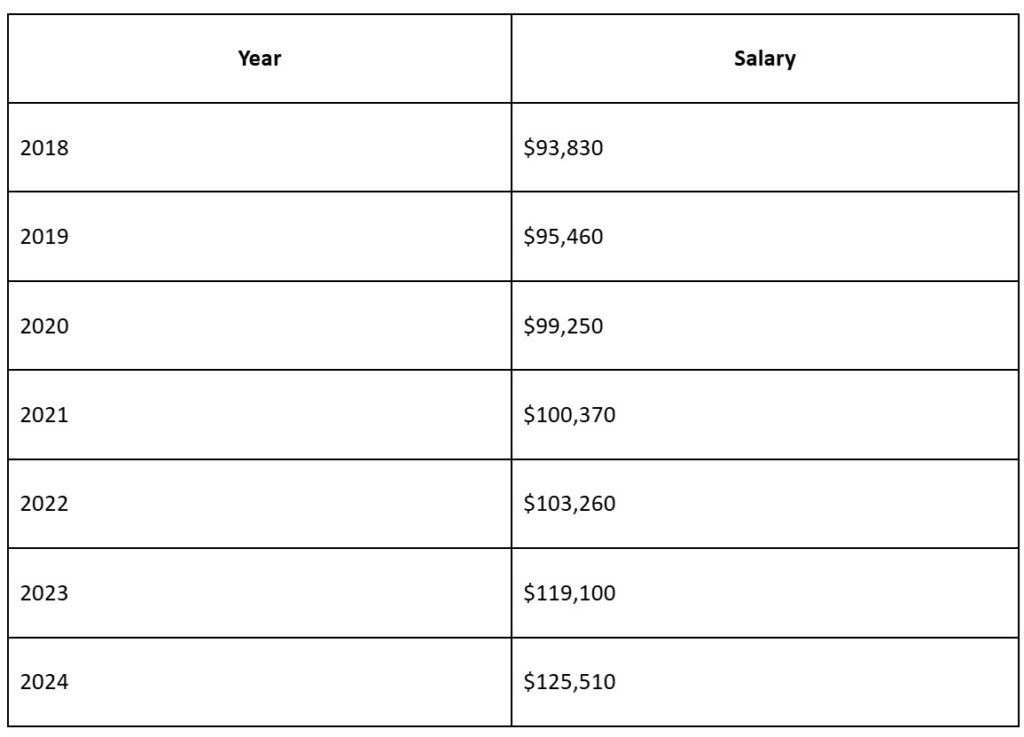
Veterinarians typically earn $130,000 per year, but that figure doesn’t tell the whole story about this profession’s earning potential. That $130,000 salary is the median vet salary—it’s the midpoint of what they earn in a year. Half of veterinarians earned more than that, but the other half earned less. For example, in May 2024, the median annual wage for veterinarians was $125,510. But the lowest 10% of vets earned less than $70,350, while the top 10% earned more than $212,890, according to the BLS. Meanwhile, the mean (the mathematical average) veterinarian salary in 2025 was $142,680, according to a recent Occupational Employment and Wage Statistics (OEWS) survey.
On a positive note, veterinarians’ median annual salaries have increased steadily on average since 2018—34%, according to the BLS:
How Much Do Veterinarians Make When They First Start?
Experience is a key factor in how much money a veterinarian earns. A vet right out of school will likely earn less than someone who’s years into the profession, but where they start their career could significantly affect their salary.
Overall, the average starting annual salary for the veterinarian school graduating class of 2024 was $106,963, according to the American Veterinary Medical Association’s (AVMA) 2025 Report on the Economic State of the Veterinary Profession.
While the six-figure starting salary is nice, it mainly applied to veterinary school grads who began working for a practice, either private ($131,210) or public ($105,829). Grads who took an internship or entered a residency earned $56,705 and $54,847 per year on average, respectively.
Additionally, new veterinary school graduates saw their compensation structure vary. Nearly 68% of graduates received a base salary and a production bonus, while approximately 32% received only a guaranteed salary. Just 1% of new graduates were compensated based on their production only.
More information here:- Understanding Veterinarian Burnout and Mental Health
- How Much Money Do Doctors Make a Year? 8 Specialties Get Paid More than $500,000
- A Deep Dive into the Salaries of New Grad Physicians
What Else Determines a Veterinarian’s Salary?
Where a veterinarian works, who they work for, the industry they select, and more will determine how much they make. Here’s a closer look at some of the key factors that affect a veterinarian’s annual earnings:
Geography
Where you live and work will impact your wages. This isn’t exclusive to a veterinary career. If you work in a large metro area, you’re likely to earn a higher salary to help contend with a higher cost of living than you might experience in other parts of the US.
Experience
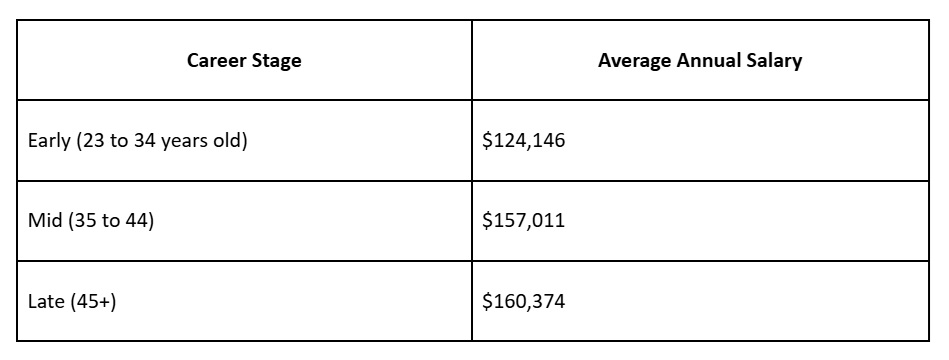
Experience is another factor that isn’t exclusive to veterinarians, but it’s still a crucial one. The longer you’ve been practicing, the greater your earning potential can be. If you’re fortunate enough to earn one of those six-figure jobs out of veterinary school and work in a large metro area, your salary could quickly approach the higher end of the median scale just a few years into your career.
Here’s a closer look at what veterinarians earn on average based on where they are in their career, according to the AVMA:
Employer Type
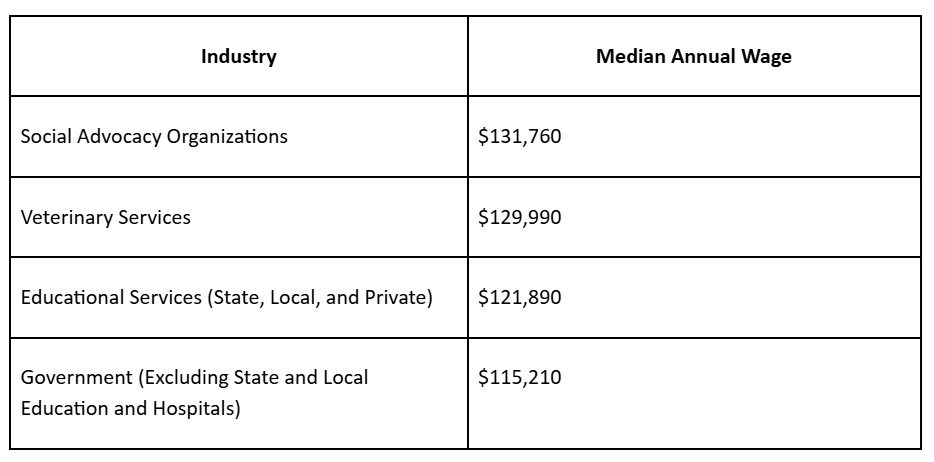
As noted before, who you work for will also help shape your annual salary—especially if you go to private or public practice. Here are some of the median salaries from May 2024 for a few different veterinarian employers, according to the BLS:
Animal Specialty
Veterinarians’ salaries can also vary based on the type of patients they see. Practices that treat companion animals exclusively generated some of the highest revenues in the US in 2024 and 2023 ($1.6 million), according to the AVMA. Vets who primarily treat companion animals often earn the highest salaries (starting at $140,000) due to pet owners treating their four-legged friends like family and their willingness to spend what it takes for proper care.
Field of Specialization
Much like physicians who treat humans, certain veterinary specialties pay more than others. For example, vets who have a medical specialty (surgeon, cardiologist, oncologist, etc.) earn on average $206,367 per year. Emergency veterinarians aren’t too far behind, with average annual earnings of $191,244. Meanwhile, vets who practice general medicine earn closer to the industry median salary, $141,522.
What Is the Job Outlook for Veterinarians?
The current veterinarian job outlook is positive, according to the BLS. Employment is projected to increase 9% from 2025 to 2035, a much faster than average pace for all occupations. Approximately 3,100 vet job openings are projected annually on average during the next decade due to replacements needed for those who opt to retire or leave the field for a different occupation.
The positive outlook is also a result of pet owners’ increased pet-related spending, growing treatment options, and an aging pet population expected to keep veterinarians employed and busy. Additionally, advancements in veterinary medicine have allowed professionals in the field to offer more services to animals, like kidney transplants and cancer treatments.
More information here:- Veterinarians and Their Finances
- Giving Up a $250,000 Salary as a Veterinarian to Retire Early Is Hard
Is Becoming a Veterinarian Worth It?
Whether becoming a vet is worth it financially depends on an individual’s personal preferences. From an employment opportunity perspective, pursuing this career path could well be worth it. Many veterinarians earn six-figure salaries, and there will be plenty of projected job openings over the next 10 years. The profession is also rewarding as vets help animals stay healthy, bringing joy to many families.
The six-figure salary can come at a price, however. Becoming a veterinarian requires plenty of schooling—approximately four years of veterinary school after you receive your undergraduate degree. You could also face a significant amount of debt afterward depending on your financial situation. The average Doctor of Veterinary Medicine-related debt for all new graduates was $168,979 in 2024, including those with no debt, according to the AVMA. Meanwhile, the average debt for those with at least some DVM-related loans was $202,647.
Again, determining if becoming a veterinarian is worth it will depend on your personal preferences. It can be rewarding in terms of salary and the opportunity to do meaningful work, but the additional student loan debt, burnout, and long work hours could be a drawback. If it’s a career path you want to take, however, consider going to less expensive educational institutions for undergrad and veterinary school to minimize your loan total and to lower your debt-to-income ratio when you graduate and start working.
The White Coat Investor is filled with posts like this, whether it’s increasing your financial literacy, showing you the best strategies on your path to financial success, or discussing the topic of mental wellness. To discover just how much The White Coat Investor can help you in your financial journey, start here to read some of our most popular posts and to see everything else WCI has to offer. And make sure to sign up for our newsletters to keep up with our newest content.
Did you find this article helpful? Share it!